Netta Caligari :: Bee Steward
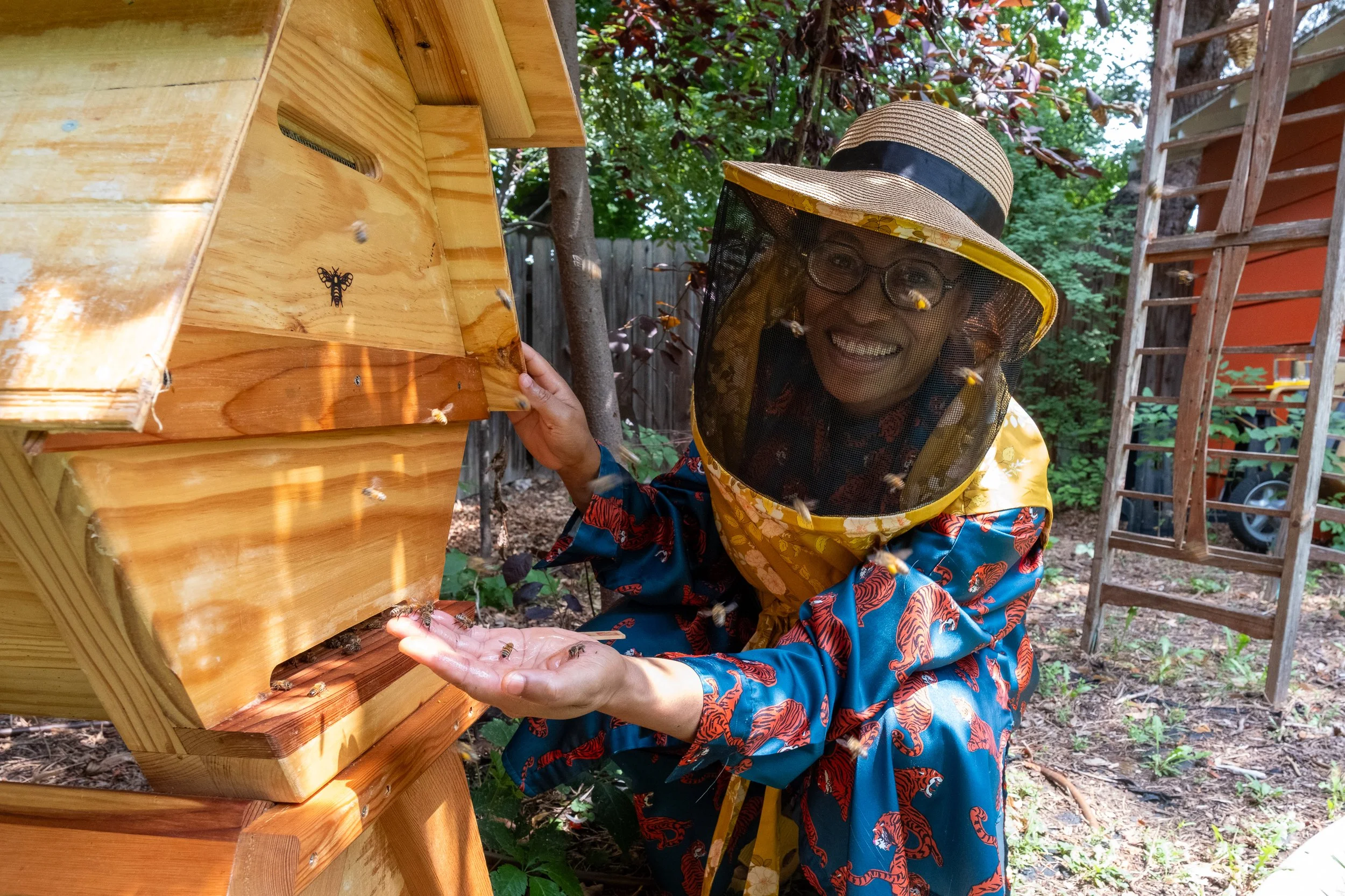
Bees have been around for an estimated 130 million years, and they carry quite the hefty resume. They make honey to much acclaim, of course. They are the champion pollinators of our ecosystem. And they help scientists monitor environmental health and pollution levels. But spending time with bee steward Netta Caligari opened my eyes to the multitude of other gifts honeybees have to offer. Netta calls it “the magic that is a honeybee hive.”
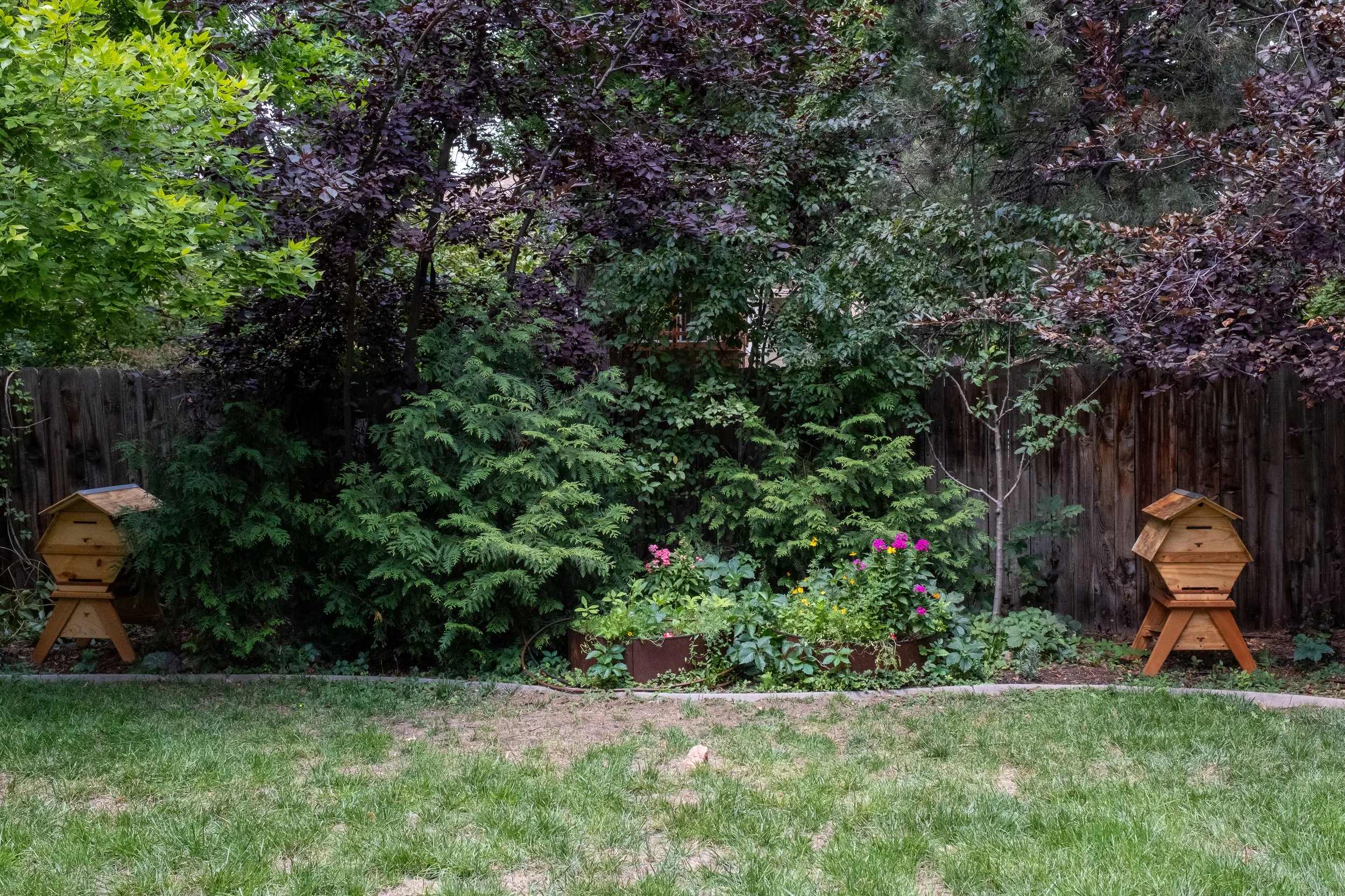
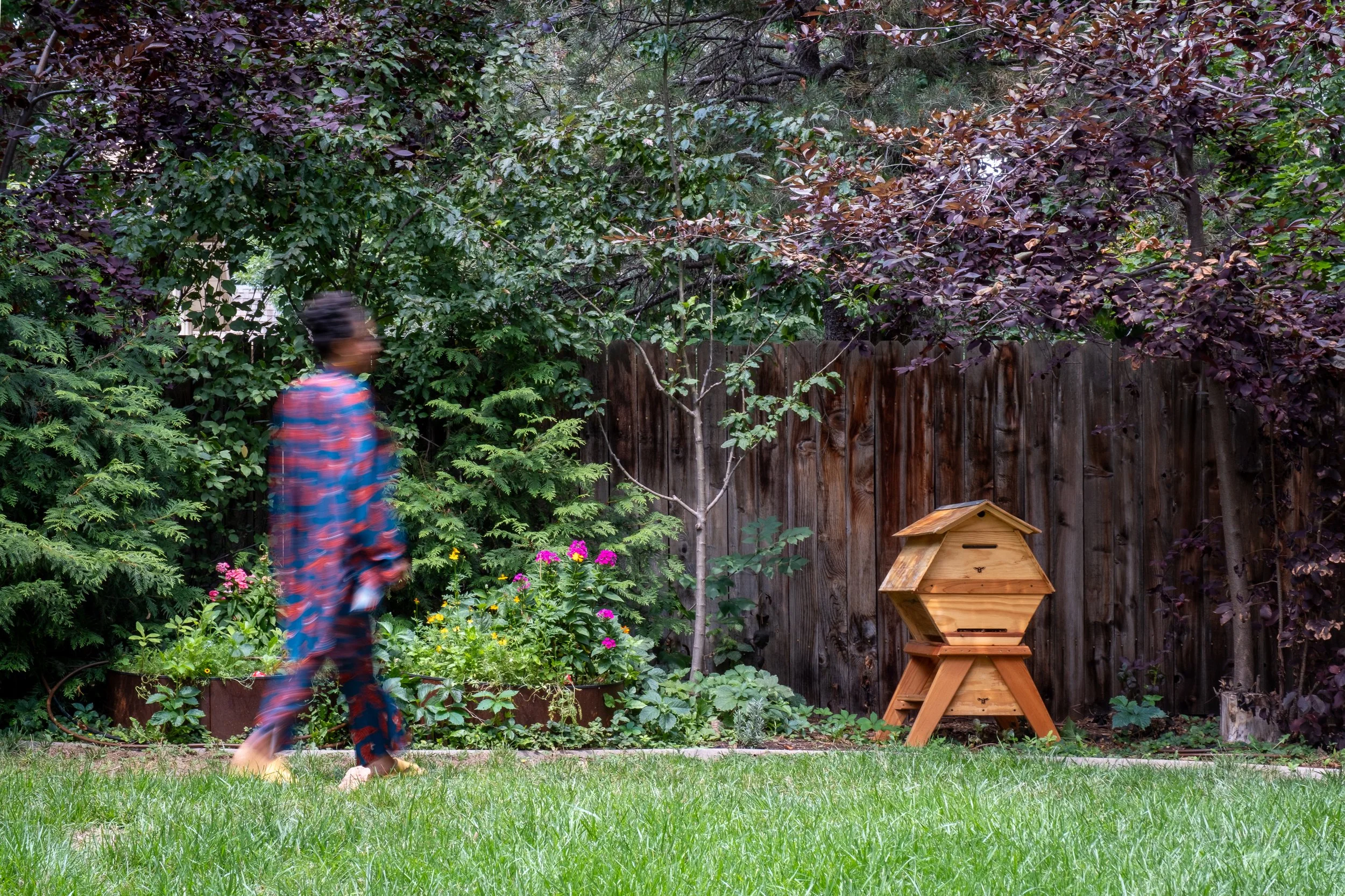
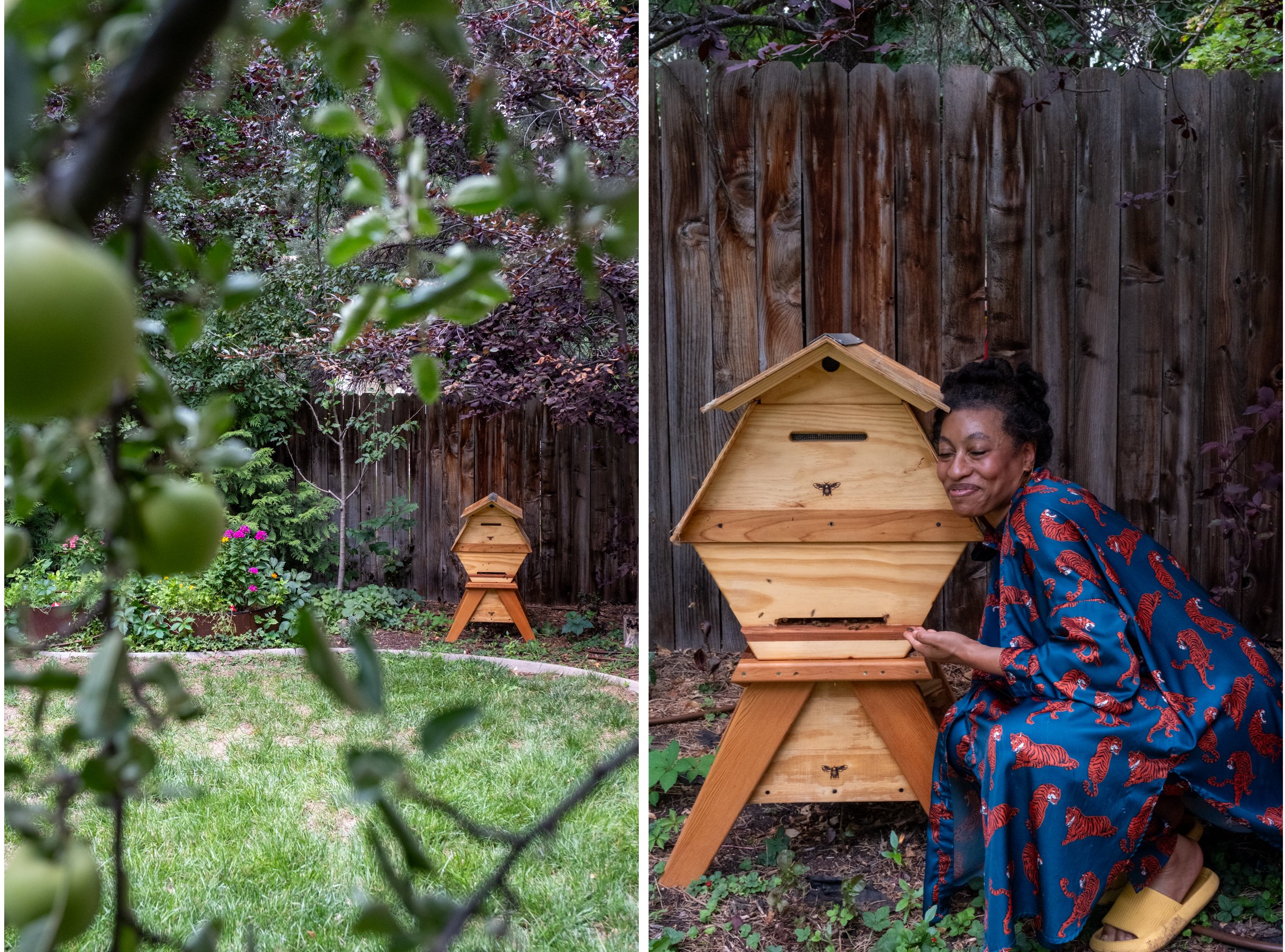
Over two days, I watched Netta move between her home studio and the hives in her backyard, talking about bees with the kind of enthusiasm that makes you forget you're standing amidst thousands of them.
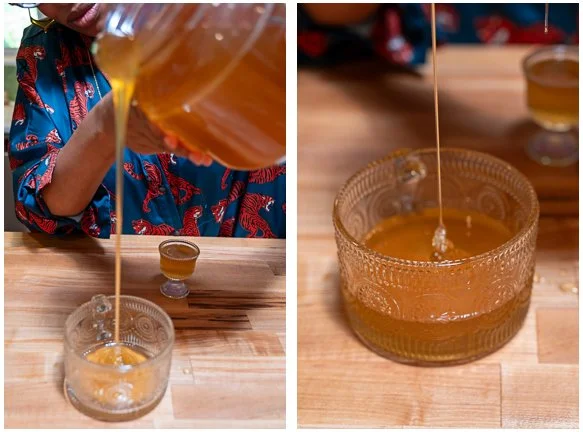
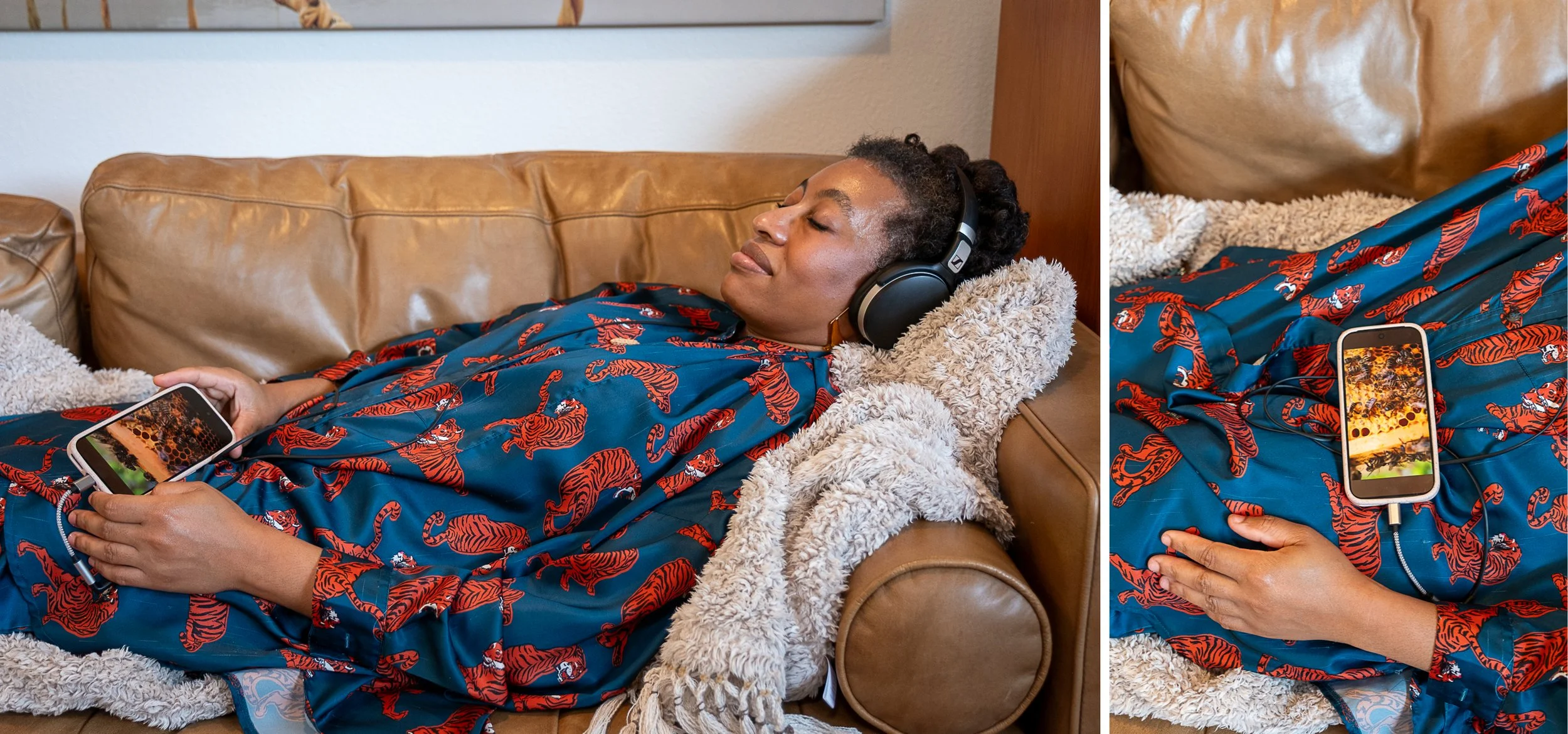
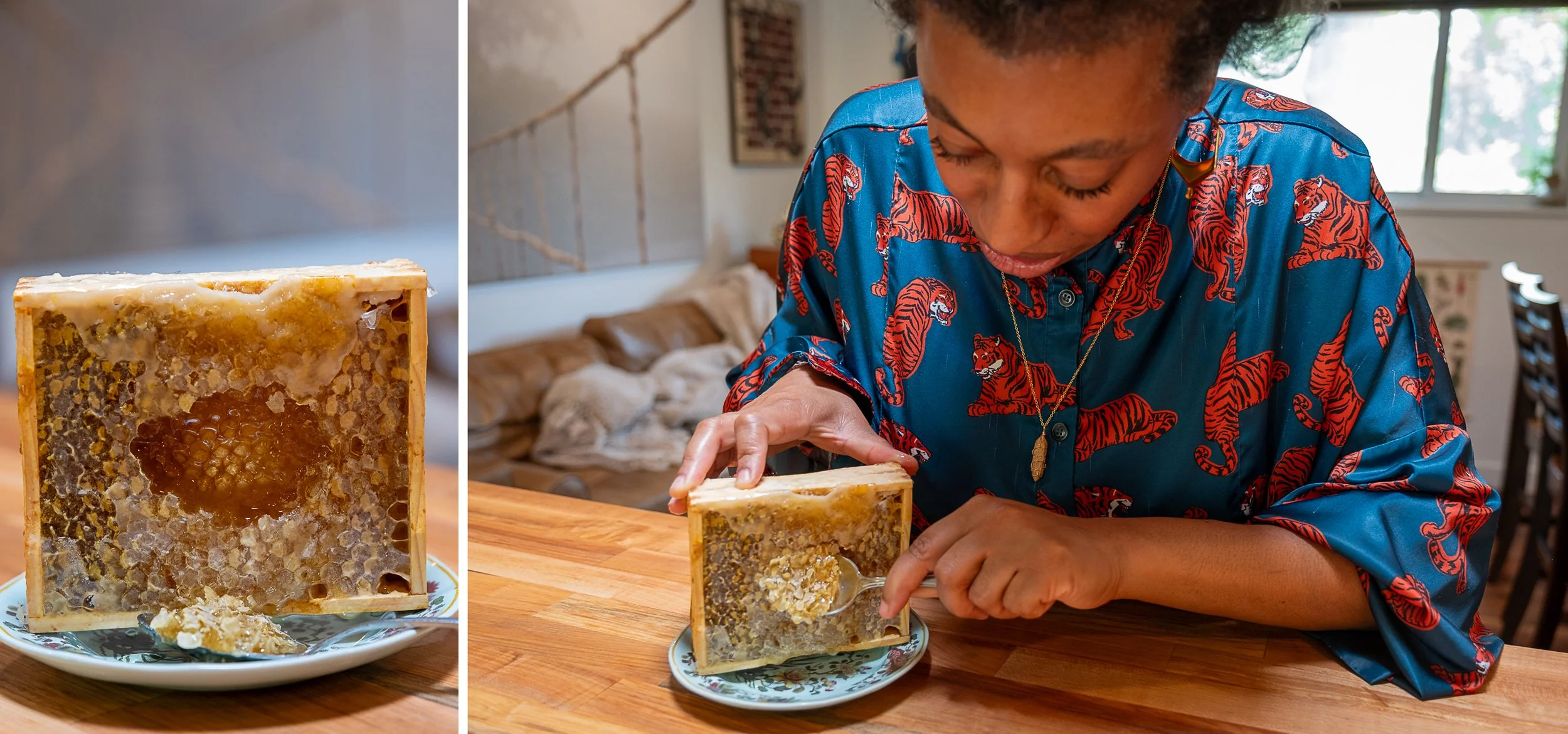
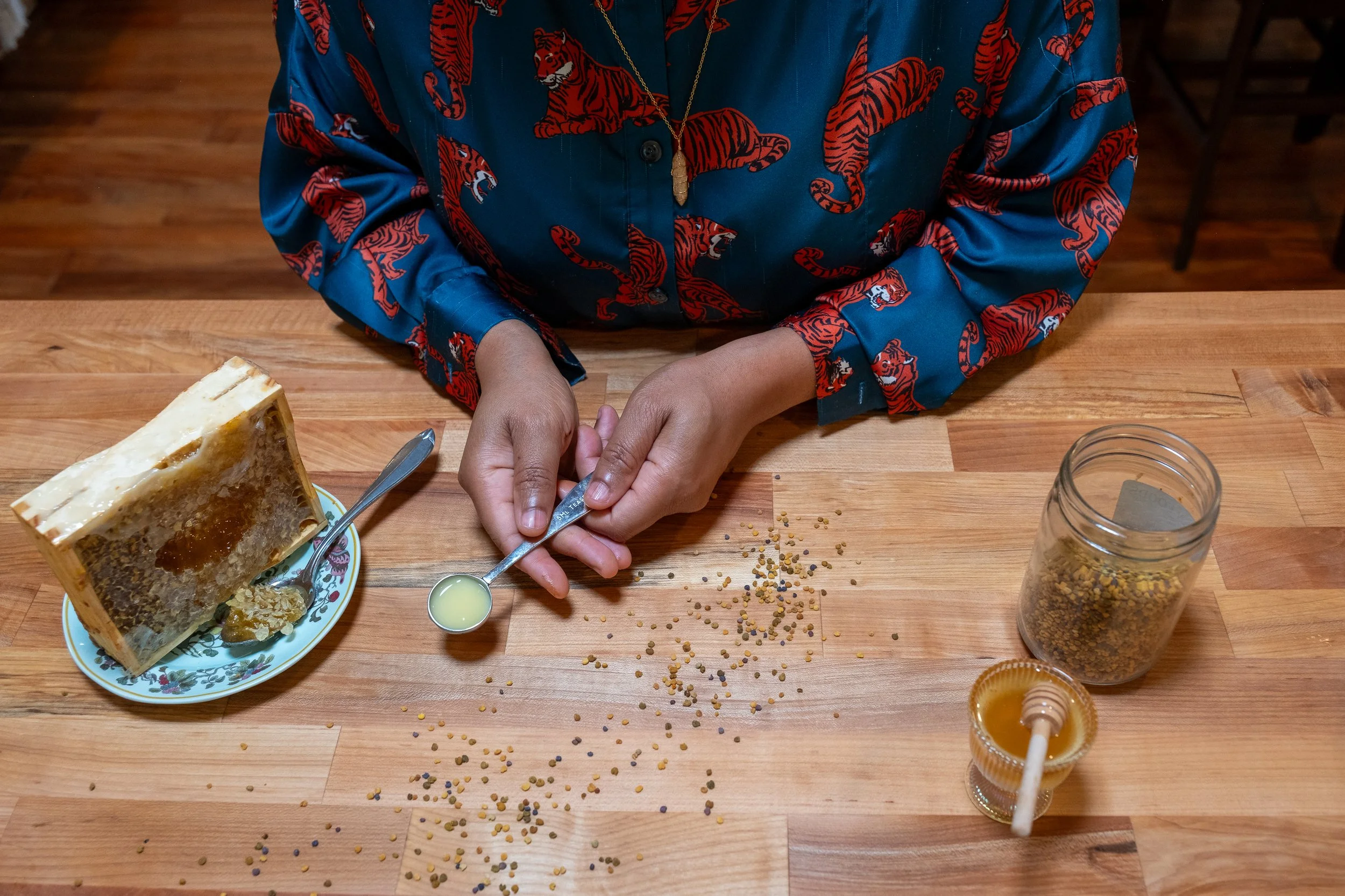
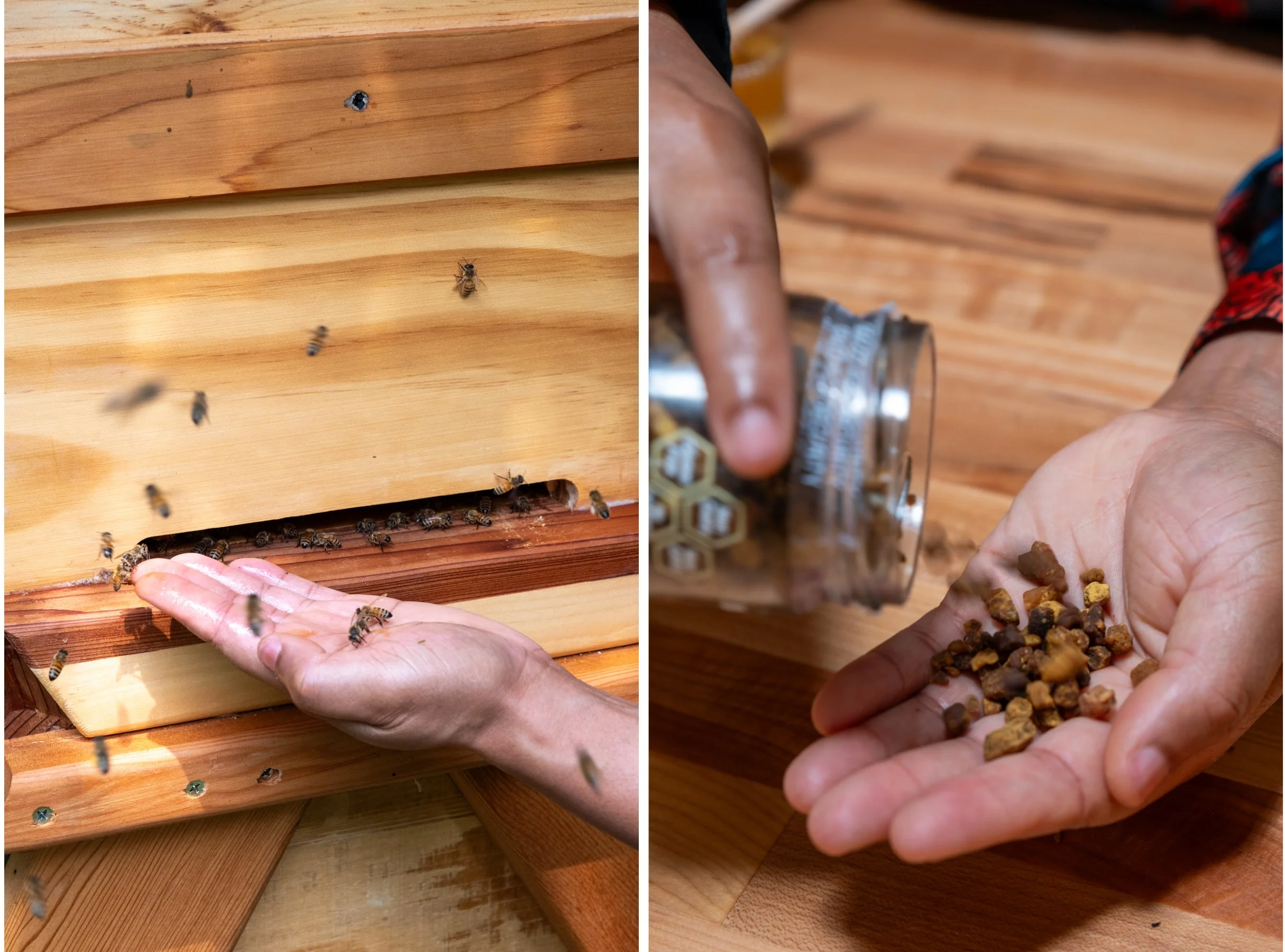
Like the bees, Netta is a wealth of knowledge. She patiently walked me through various hive products, demonstrated different practices, and encouraged me to taste, touch, smell, observe, and listen. I sampled the sticky resin propolis, a super-concentrated natural source of antioxidants that honeybees make by mixing plant sap with their own wax and saliva. I learned that people have long used honeycomb to aid digestion and oral health. I was introduced to royal jelly, produced by worker bees to nourish developing larvae and the adult queen bee. “Royal jelly may help balance hormones,” Netta explained as she handed me a small spoonful of the gel-like substance to try. And that notorious buzzing? I discovered the low, steady hum made when bees flap their wings is referred to as api-sound. Nature’s version of white or pink noise, Netta said the sound “is a frequency that helps settle the nervous system and encourage relaxation.”
The use of hive products is nothing new. In ancient Egypt, honey and propolis were essential for both sacred rituals and preservation. The famous Greek physician Hippocrates heavily documented honey’s medicinal benefits, while Traditional Chinese Medicine has long relied on royal jelly to support vitality. Across eras and cultures, people have looked to the beehive for guidance.
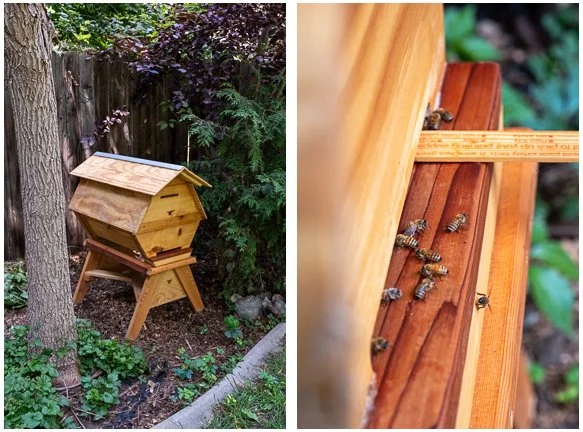
Compared with these age-old practices, Netta’s own relationship with the hive is relatively new. She began looking for natural remedies in 2018 after a life-changing surgery. Studying everything she could get her hands on, she eventually discovered hive products. Within a few weeks of trying them, she was feeling better, her skin cleared, and her digestion drastically improved. Intrigued, she began to wonder what else bees were capable of. Netta started experimenting with more hive-based treatments, learning, and making visits to friends’ apiaries. She became utterly fascinated by these tiny winged insects and their homes, realizing hives are some of the world’s most powerful natural apothecaries. By 2023 Netta had officially become a beekeeper.
A few years after establishing her own backyard apiary, Netta’s honeybee education went in a slightly unexpected direction. During a time of high stress and burnout at work, she decided to try bee venom therapy, a practice that involves intentional stinging. While the idea may sound shocking and controversial, it has been studied for decades by medical professionals for its potential benefits in treating immune conditions. For Netta, the procedure provided immediate relief and deepened her profound gratitude for the bees. That gratitude permeates every aspect of her current practices.
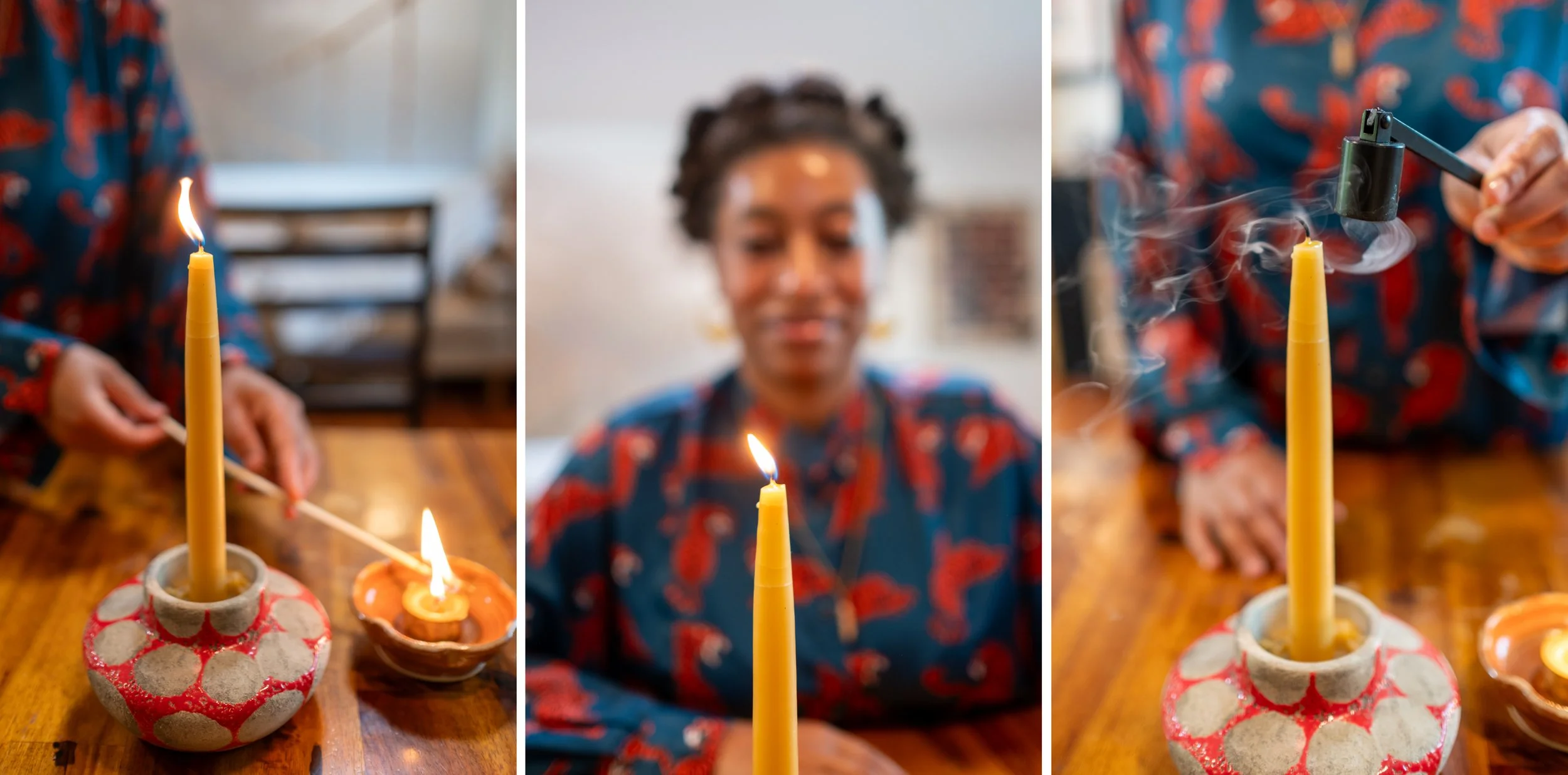
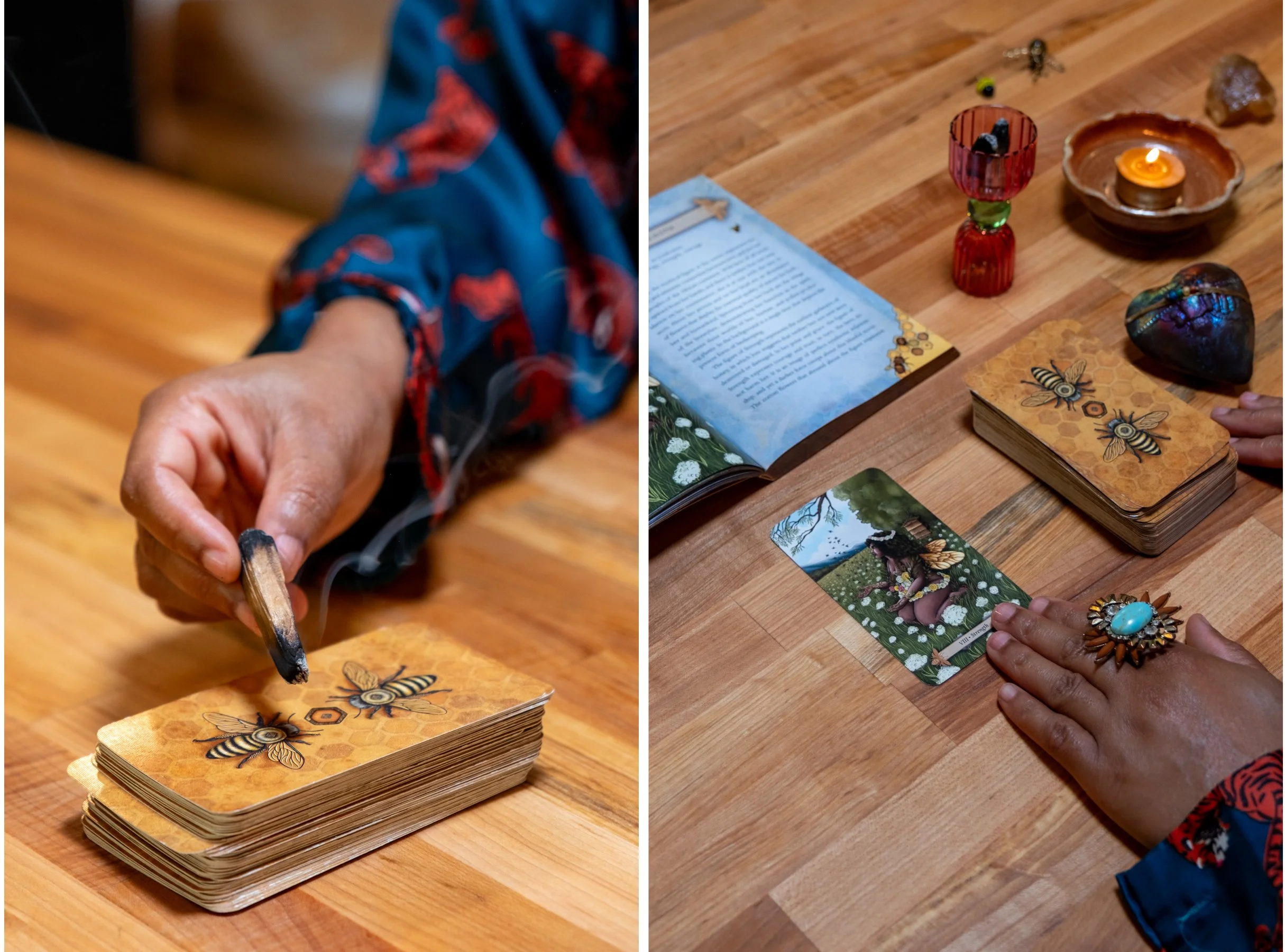
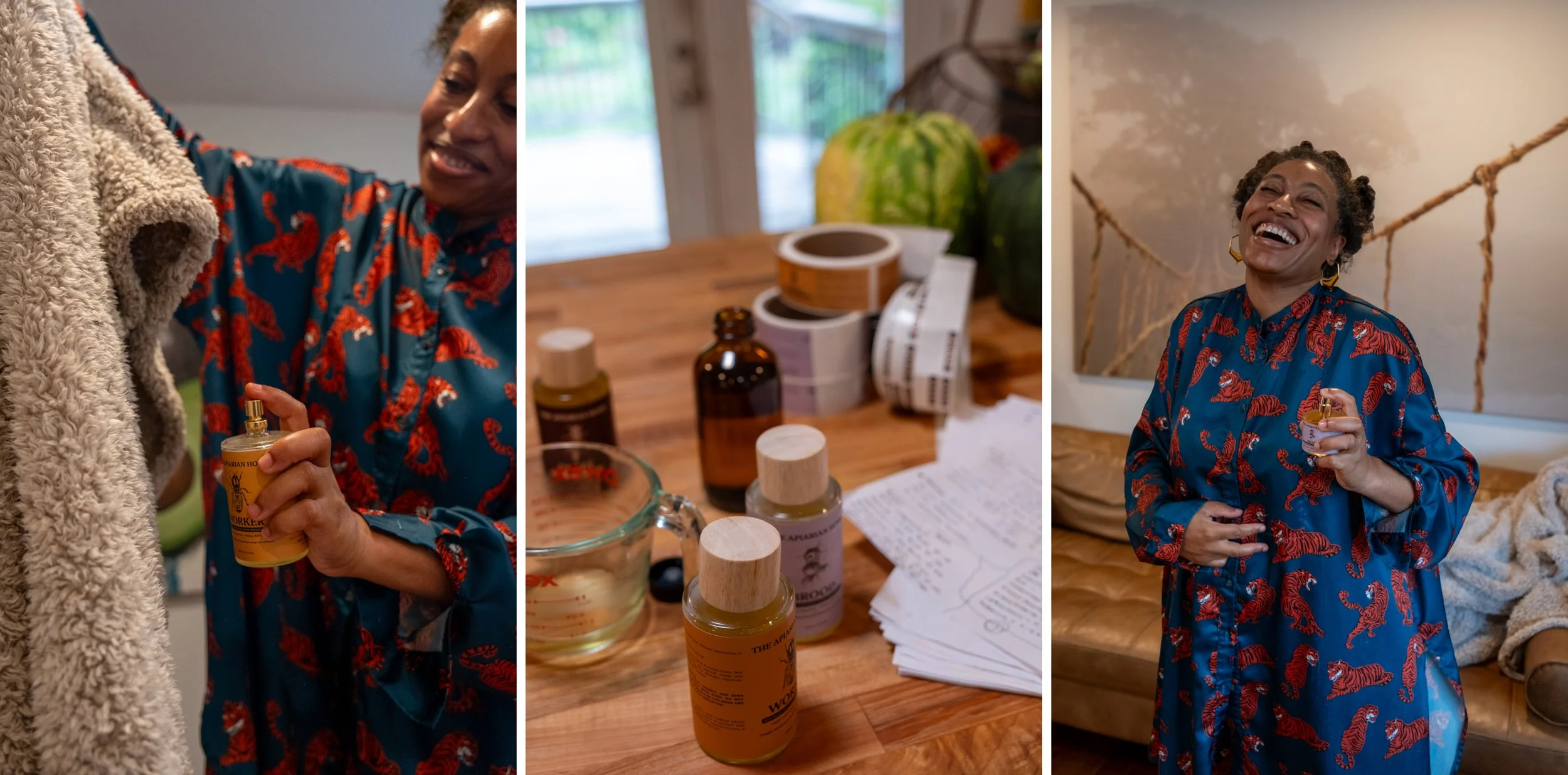
Inspired by her personal experiences, in 2026 Netta became a certified apitherapy coach and established her company, Apiarian Home. She creates small-batch, bee-inspired products, including a collection of beeswax-infused home fragrances. She also guides clients through customized therapies using products crafted by honeybees. These sessions often include multiple modalities, as Netta believes bees can impact all of our senses and help us remain present. For instance, using beeswax candles in the meditative practice of candle gazing can quickly quiet a busy mind. Mediating while listening to api-sound near active hives or via headphones can engage the vagus nerve and shift a body out of stress. Meanwhile, tasting and ingesting raw hive foods can double as natural, herb-adjacent medicine.
Whether conducting an apitherapy session in person or selling her hand-made products, Netta views all her offerings as a gesture of reciprocity to the bees. A portion of every sale is donated to support pollinator advocacy. She researches and seeks out top quality producers when sourcing hive products. And she only interferes with her bees’ natural behaviors when assessing colony health or safety. Her mission transcends traditional beekeeping. “The bees have given me so much,” she explained. “I not only want to reconnect people to the natural world and the pollinators that sustain it. But to do so as responsibly as possible.”
If you have a bee-related question, are curious about apitherapy, or simply want to add some delightful scents to your space, Netta is your person. After our two days together, I left with a profound appreciation for these small, remarkable creatures and the dedication of this particular caretaker. Suffice it to say, my energy was buzzing.
###